




















How to Buy Off-Plan Property in Dubai in 2026
Off-plan is not a niche corner of the Dubai market — it is the Dubai market. In 2025, off-plan purchases accounted for roughly 65% of all transactions and about 53% of total value (Betterhomes, 2026), which means the majority of buyers entering Dubai are buying something that does not physically exist yet. For a first-time foreign investor that can feel counterintuitive, even risky. Done with the right framework, it is one of the most accessible and capital-efficient ways into the city’s property market.
This pillar guide walks the entire journey end to end: what buying off-plan actually means, how the payment plans and escrow protections work, the precise step-by-step process, the full cost picture, and how an off-plan purchase connects to residency and to your eventual exit. Off-plan is the part of the market Palmera specialises in, so this is the route we walk with clients most. Where a number matters, it is dated to its 2026 source at the foot of the page, because Dubai moves fast enough that a stale figure can genuinely mislead.
What “off-plan” actually means
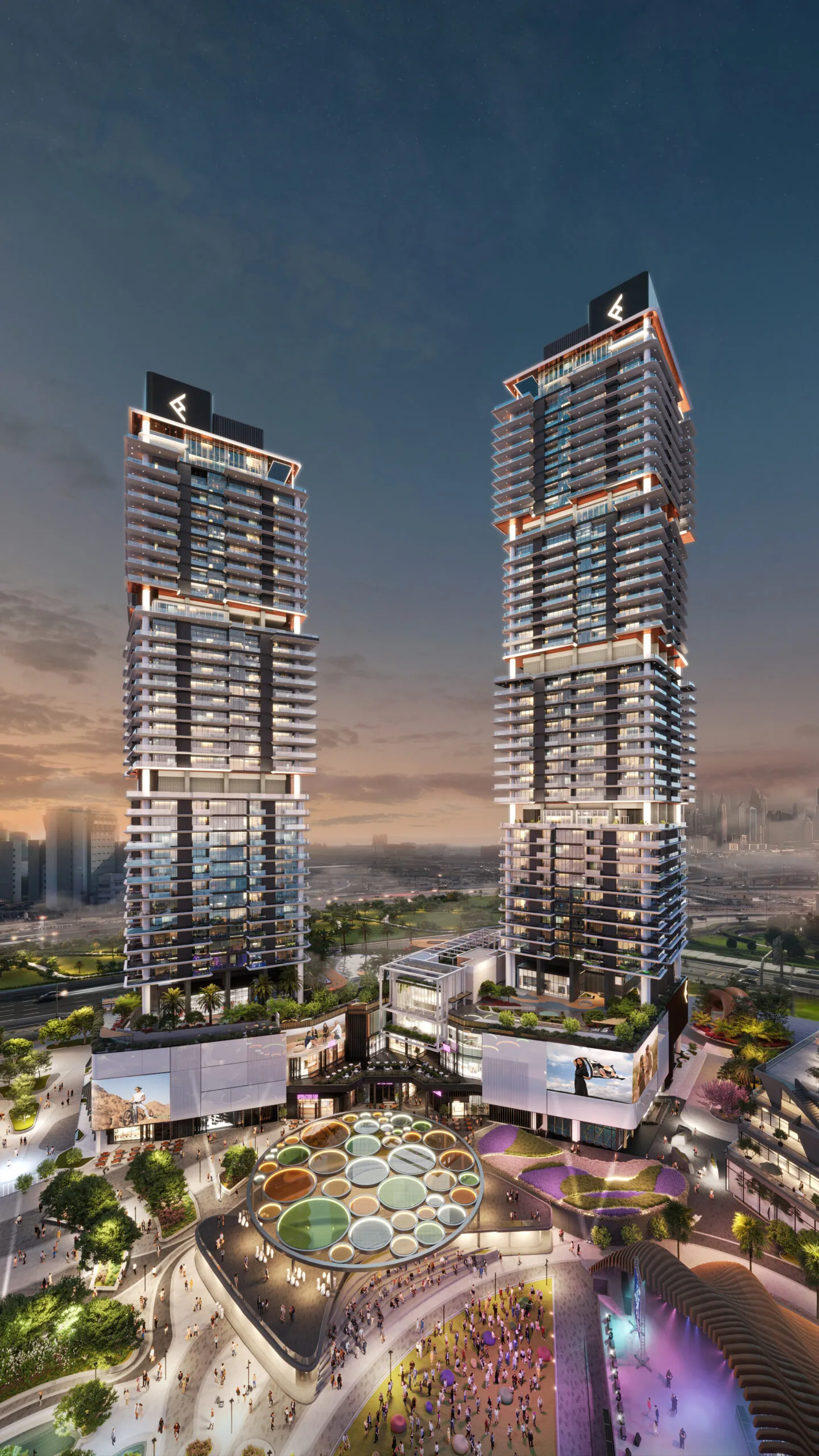
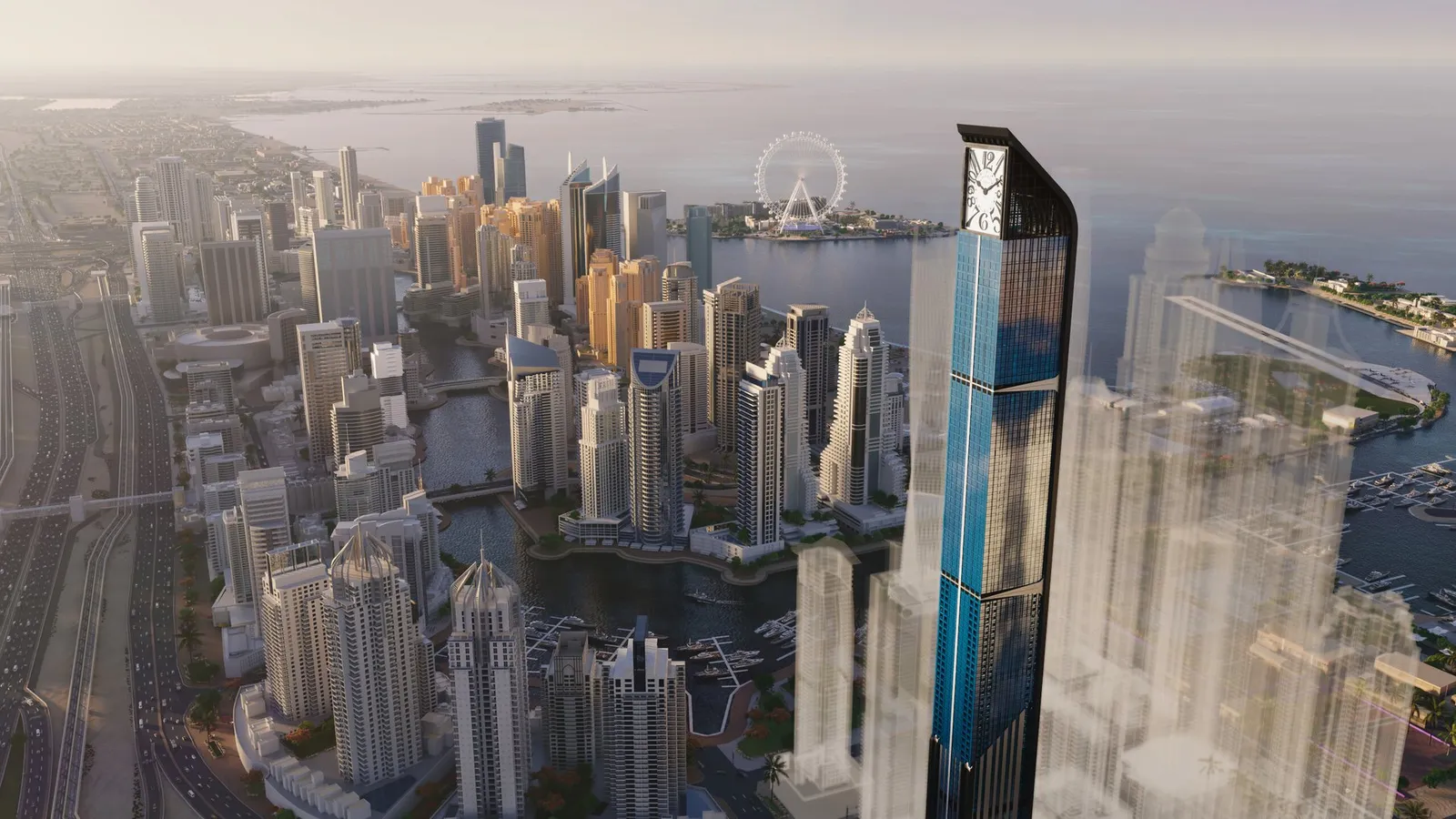
Buying off-plan means purchasing a property from a developer before or during construction, rather than buying a finished, ready-to-occupy home on the resale market. You are not buying a title deed — that only exists once the building is complete. Instead you commit to a project on the strength of its location, plans and developer, and you pay in instalments tied to construction progress.
The appeal is straightforward. Entry prices are typically lower than equivalent ready stock, the staged payment plan spreads your capital over the build period rather than demanding it all upfront, and you are buying the newest, most modern inventory in the city. The trade-off is equally clear: you are buying potential. You wait through a construction window rather than collecting rent or moving in from day one, and the unit you receive is the one promised on paper. That is why the developer’s track record and the legal safeguards around your money matter so much — and why the rest of this guide spends as much time on protection and process as on price.
Why off-plan dominates Dubai
If off-plan carries a waiting period, why does it account for the majority of the market? Three reasons. First, payment flexibility: a staged plan lets a buyer enter a project with a fraction of the price upfront, rather than the full sum a ready purchase demands. Second, price entry point: off-plan is generally cheaper than comparable completed stock, leaving room for value to build during construction. Third, modern inventory: Dubai’s newest communities, amenities and branded residences launch off-plan first.
The result is a market where off-plan is the default rather than the exception — roughly 65% of transactions and 53% of value in 2025 (Betterhomes, 2026). For an investor, that depth matters: it means liquidity, a wide choice of projects across every price tier, and a well-established legal and regulatory framework built specifically around buying before completion.
How off-plan payment plans work
Off-plan is paid in instalments, and the structure is one of the first things you will compare across projects. Plans are usually described as a split — the share paid during construction versus the share paid on or after handover. Common structures include 60/40, 70/30 and 80/20, and some developers offer post-handover plans that stretch a portion of the price over a further two to three years, occasionally five to seven (Dubai Platform, 2026).
| Plan type | During construction | On/after handover | Best suited to |
|---|---|---|---|
| 60/40 | 60% | 40% | Buyers wanting lower instalments during the build |
| 70/30 | 70% | 30% | A common, balanced middle ground |
| 80/20 | 80% | 20% | Buyers comfortable paying more upfront |
| Post-handover | Construction share + staged balance over 2–3+ years | Spread after keys | Investors prioritising cash-flow flexibility |
The exact schedule — your reservation deposit, each milestone trigger and the final payment — is fixed in your Sales and Purchase Agreement (SPA). Two plans with the same headline split can differ materially in when the instalments fall, so read the schedule, not just the percentages, before you commit.
Is your money safe? Escrow and RERA protection
The question that stops most first-time off-plan buyers is blunt: if I pay for a building that does not exist yet, what stops the money disappearing? The answer is Dubai’s escrow framework. Under Escrow Law No. 8 of 2007, every payment you make on an off-plan unit goes into a DLD-supervised escrow account, and the developer can withdraw those funds only against verified construction milestones (Dubai escrow framework). Your money is ring-fenced and released in stages tied to real building progress, not handed over upfront.
The honest caveat is that escrow protects your funds, not your timing. A project can stay fully escrow-compliant and still hand over late — construction delays of six to eighteen months are common, and some projects run longer (Sherwoods Property, 2026). That is why due diligence on the developer’s delivery record sits alongside the legal safeguard. For the full mechanism — how to verify a project’s escrow account on the DLD portal before you transfer a single dirham — see our dedicated guide on escrow and RERA off-plan protection.
The step-by-step buying process
The off-plan journey follows a well-trodden path. Each step below corresponds to a concrete document or payment, and getting the order right protects you at every stage.
- Define your goal and budget. Decide whether the property is for rental cash flow, capital growth or residency, and set a total budget that includes roughly 4–5% in closing costs on top of the price — the 4% DLD/Oqood registration plus developer admin fees (DLD fee schedule / Dealr.ae, 2026). Your goal drives the area, the unit type and the right payment plan — our guide on where to invest in Dubai maps areas to each objective.
- Choose a RERA-registered developer and project. Shortlist from developers with a real delivery track record and confirm the project has a dedicated DLD-supervised escrow account. Browse current launches in our developer directory and properties listings.
- Reserve the unit and review the SPA. Pay the reservation deposit to hold your unit, then read the Sales and Purchase Agreement in full — it fixes your payment plan, the milestone triggers, the handover window and the assignment (resale) terms.
- Register through Oqood. Register the purchase on the DLD’s Oqood system, which records your interim ownership and costs approximately 4% of the property value (EGSH, 2026). The Oqood anchors your legal position before a title deed exists.
- Pay milestones into escrow. Make each instalment into the project’s escrow account on the SPA schedule, keeping every receipt. If anyone ever asks you to pay outside escrow, treat it as a red flag.
- Take handover. On completion you settle any final payment, the developer issues the title deed, and you take possession — to move in, rent out, or sell.
The full cost picture beyond the price
The sticker price is only part of the outlay. Buying off-plan directly from the developer, budget one-off closing costs of roughly 4–5% of the price: the 4% DLD registration fee — issued as your Oqood interim title, so it is one fee, never an Oqood charge on top of the DLD charge — plus fixed developer admin fees of roughly AED 1,000–6,000. There is no agency commission, trustee-office fee or NOC when buying direct (DLD initial-sale fee schedule / Dealr.ae, 2026). If you finance the purchase, a mortgage registration fee applies on top.
The good news on the recurring side is genuine: Dubai levies no annual property tax, no capital gains tax and no rental income tax at the local level. The real ongoing cost of ownership is the annual service charge, which begins once the building completes. Because the exact mix depends on the project and your financing, model the full net cost rather than the price alone — our Dubai property tax and cost guide breaks down every line item, and the live yield ranges behind any return calculation sit on our Dubai rental yield index.
Off-plan and your residency
For many buyers, residency is the real reason behind the purchase. Off-plan now supports it cleanly: since the DLD removed the minimum paid-in requirement in January 2024, off-plan counts toward the Golden Visa threshold from the Oqood stage rather than waiting on a paid-in percentage. The authoritative rule is that the investor (property) visa is open to essentially any property owner; jointly-owned property requires at least AED 400,000 per co-owner; and AED 2,000,000 is the separate ten-year Golden Visa tier. Immigration rules change quickly, so confirm the live position with ICP or GDRFA before relying on it — the full current picture is in our UAE Golden Visa guide.
Planning your exit before you buy
The smartest off-plan investors think about the exit on day one. You do not have to hold to completion: through an assignment (a transfer of rights), you can sell your contractual position before handover, passing the remaining payment plan to a new buyer — subject to the developer’s permission and fee, both set out in your SPA. Whether selling early or holding to rent is the better move depends on the numbers, not a rule of thumb; our guide on selling off-plan before handover walks the assignment process and the math.
How Palmera helps
As a Dubai brokerage specialising in off-plan and branded residences, Palmera tracks new launches across every tier — from high-yield mid-market communities to prime branded stock and the Dubai South growth corridor. If you are weighing your first off-plan purchase and would like a shortlist matched to your goal and budget, browse current stock on our properties page, review developers in our developer directory, or reach the team directly at WhatsApp for a straight, no-pressure conversation about whether off-plan fits your strategy.
Frequently asked questions
What does buying off-plan in Dubai actually mean?
Buying off-plan means purchasing a property from a developer before or during construction, rather than buying a completed, ready-to-move-in home. Instead of paying the full price for a finished asset, you commit to a project on the strength of its plans, location and developer, and you pay in instalments tied to construction progress. Off-plan is the dominant way Dubai trades: it accounted for roughly 65% of transactions and about 53% of value in 2025 (Betterhomes, 2026). The trade-off is that you buy potential — typically a lower entry price and a staged payment plan — in exchange for waiting through a construction period rather than collecting rent or moving in from day one.
Is buying off-plan in Dubai safe for a foreign buyer?
It is safe in the specific sense that your money is legally protected, with one honest caveat about timing. Under Escrow Law No. 8 of 2007, every payment you make on an off-plan unit goes into a DLD-supervised escrow account and is released to the developer only against verified construction milestones (Dubai escrow framework). Your funds are ring-fenced rather than handed over upfront, which directly addresses the fear of paying for a building that never gets built. The caveat is that escrow protects your money, not your handover date — projects can and do run late — so the developer's track record matters alongside the legal safeguard. Our escrow and RERA protection guide covers exactly how to verify this before you pay.
How do off-plan payment plans work in Dubai?
Off-plan is paid in instalments rather than as a lump sum, and the structure varies by developer and project. Common splits include 60/40, 70/30 and 80/20 — meaning the share paid during construction versus on or after handover — and some developers offer post-handover plans that stretch payments over a further two to three years, occasionally five to seven (Dubai Platform, 2026). The exact schedule, including the reservation deposit and the milestone triggers, is set out in your Sales and Purchase Agreement, so read it carefully and confirm each instalment date before you commit.
What are the total fees and costs of buying off-plan in Dubai?
Beyond the headline price, budget one-off closing costs of roughly 4–5% of the price when buying off-plan directly from the developer: the 4% DLD registration fee — issued as your Oqood interim title, so it is one fee, not two — plus fixed developer admin fees of roughly AED 1,000–6,000, with no agency commission, trustee-office fee or NOC (DLD initial-sale fee schedule / Dealr.ae, 2026). Dubai charges no annual property tax, no capital gains tax and no rental income tax at the local level, but recurring service charges apply once the building completes. Because the exact fee mix depends on the project and whether you finance the purchase, model the full net cost rather than the price alone — our Dubai property tax and cost guide breaks down every line item.
Can I get a UAE residence visa by buying off-plan property?
Yes. Off-plan property can support residency: since the DLD removed the minimum paid-in requirement in January 2024, off-plan counts toward the Golden Visa threshold from the Oqood stage rather than waiting on a paid-in percentage. The headline rule is that the investor (property) visa is open to essentially any property owner; jointly-owned property requires at least AED 400,000 per co-owner; and AED 2,000,000 is the separate ten-year Golden Visa tier. Immigration rules change quickly, so confirm the live position with ICP or GDRFA before relying on it — our UAE Golden Visa guide sets out the full current picture.
Sources · last updated 22 June 2026
- Off-plan share of Dubai transactions ~65% (and ~53% of value), 2025 — Betterhomes market analysis · 2026
- Payment-plan structures (60/40, 70/30, 80/20) and post-handover plans of 2–3 years (occasionally 5–7) — Dubai Platform investment guide · 2026
- Escrow Law No. 8 of 2007 — buyer funds held in a DLD-supervised escrow account, released against verified construction milestones — Dubai escrow framework · 2007
- Oqood off-plan registration fee ~4% of property value — EGSH · 2026
- Off-plan direct-from-developer closing costs ~4–5% of price (the Oqood registration IS the 4% DLD fee, plus developer admin ~AED 1,000–6,000; no agency, trustee or NOC) — DLD initial-sale fee schedule / Dealr.ae; construction delays of 6–18 months common — Sherwoods Property · 2026