






















जॉर्जिया रियल एस्टेट मार्केट आउटलुक 2026: ग्रोथ, टूरिज्म, सप्लाई और जोखिम


पिछले कुछ वर्षों में जॉर्जिया चुपचाप यूरोप और खाड़ी के बीच सबसे चर्चित उभरते हुए प्रॉपर्टी बाज़ारों में से एक बन गया है। 2026 के लिए, प्रमुख आंकड़े वास्तव में मजबूत हैं: अर्थव्यवस्था व्यापक क्षेत्र में सबसे तेज़ दरों में से एक से बढ़ रही है, पर्यटकों की रिकॉर्ड संख्या आ रही है, और रियल एस्टेट में बढ़ता विदेशी प्रत्यक्ष निवेश (FDI) आ रहा है। संतृप्त बाज़ारों के बाहर मूल्य की तलाश करने वाले निवेशक के लिए, मैक्रो स्तर का यह मामला काफी आकर्षक है।
लेकिन एक गंभीर पूर्वानुमान को बही के दोनों पक्षों को देखना होगा। वही मांग लहर जो बतूमी में कीमतों को बढ़ा रही है, उसने नई आपूर्ति का एक बड़ा पाइपलाइन भी खोल दिया है, और यूरोपीय संघ की ओर देश का रास्ता, जो उसकी दीर्घकालिक निवेश कहानी का एक प्रमुख हिस्सा है, रुक गया है। परिणाम यह है कि बाज़ार में वास्तविक गति और वास्तविक जोखिम दोनों साथ-साथ मौजूद हैं।
यह गाइड केवल सत्यापित और प्रमाणित आंकड़ों का उपयोग करके 2026 के बाज़ार पूर्वानुमान का विश्लेषण करती है, ताकि आप अवसर और सावधानी का ईमानदारी से मूल्यांकन कर सकें और यह तय कर सकें कि क्या जॉर्जिया की प्रॉपर्टी आपकी रणनीति के अनुरूप है।
विषय-सूची
- प्रमुख आंकड़े: जीडीपी और आर्थिक गति
- पर्यटन: रिकॉर्ड आगमन और रूस से दूरी
- विदेशी प्रत्यक्ष निवेश और धन का निवेश कहां हो रहा है
- कीमत के रुझान और 2026 के लिए विश्लेषकों की क्या अपेक्षा है
- आपूर्ति की कहानी: बतूमी का ओवरसप्लाई जोखिम
- राजनीतिक जोखिम: 2028 तक EU सदस्यता प्रक्रिया स्थगित
- मुद्रा और राजकोषीय स्थिरता
- निष्कर्ष: 2026 के खरीदारों के लिए अवसर बनाम सावधानी
प्रमुख आंकड़े: जीडीपी और आर्थिक गति
किसी भी प्रॉपर्टी बाज़ार की नींव उसके पीछे की अर्थव्यवस्था होती है, और इस पैमाने पर जॉर्जिया मजबूती से प्रदर्शन कर रहा है। OC Media द्वारा रिपोर्ट किए गए आंकड़ों के अनुसार, 2025 में जॉर्जिया की जीडीपी में लगभग 7.5% की वृद्धि हुई, और यह गति नए साल में भी बनी रही, जनवरी और फरवरी 2026 में यह और भी तेज़ 8.4% पर चल रही है।
महत्वपूर्ण बात यह है कि आधिकारिक पूर्वानुमान सही दिशा में बढ़ रहे हैं। OC Media के अनुसार, IMF ने अपने 2026 के विकास पूर्वानुमान को बढ़ाकर 6.5% कर दिया है, जो पहले 5.3% था। इतनी बड़ी वृद्धि यह दर्शाती है कि संस्थागत पर्यवेक्षक इस विस्तार को एक बार के पुनरुद्धार के बजाय स्थायी मान रहे हैं। प्रॉपर्टी निवेशकों के लिए, निरंतर जीडीपी विकास आमतौर पर घरेलू आय, रोजगार और अंततः किराया प्रतिफल को चलाने वाली किराये की मांग को मजबूत करता है।
- 2025 जीडीपी वृद्धि: ~7.5%
- 2026 IMF पूर्वानुमान: 6.5% (5.3% से संशोधित)
- 2026 की शुरुआती रन रेट: 8.4% (जनवरी-फरवरी)
पर्यटन: रिकॉर्ड आगमन और रूस से दूरी
पर्यटन जॉर्जिया की तटीय प्रॉपर्टी मांग, विशेष रूप से बतूमी में, के पीछे का इंजन है, जहां शॉर्ट-लेट रिटर्न आगंतुकों की संख्या पर निर्भर करते हैं। 2025 में इस क्षेत्र ने नए रिकॉर्ड बनाए। नेशनल बैंक ऑफ जॉर्जिया के अनुसार, 2025 में अंतरराष्ट्रीय आगमन 7.8 मिलियन तक पहुंच गया, जो साल-दर-साल 6% अधिक है, जबकि पर्यटन राजस्व बढ़कर 4.69 बिलियन डॉलर हो गया, जो 6% की वृद्धि है।
प्रमुख वृद्धि जितनी ही महत्वपूर्ण बात यह है कि आगंतुक और उनका पैसा कहां से आ रहा है। मिश्रण पश्चिमी और क्षेत्रीय स्रोतों की ओर निश्चित रूप से विविधतापूर्ण हो रहा है। Q4 2025 में, EU से पर्यटन राजस्व 26.6% बढ़ा, जबकि नेशनल बैंक ऑफ जॉर्जिया के अनुसार, रूस से राजस्व 23.7% गिर गया। निवेशकों के लिए, यह संतुलन महत्वपूर्ण है: EU और अन्य बाज़ारों में फैला पर्यटन आधार, एक एकल, भू-राजनीतिक रूप से अस्थिर स्रोत पर अत्यधिक केंद्रित आधार की तुलना में अधिक लचीला है।
| स्रोत बाज़ार (Q4 2025) | पर्यटन राजस्व में बदलाव (y/y) |
|---|---|
| यूरोपीय संघ | +26.6% |
| रूस | -23.7% |
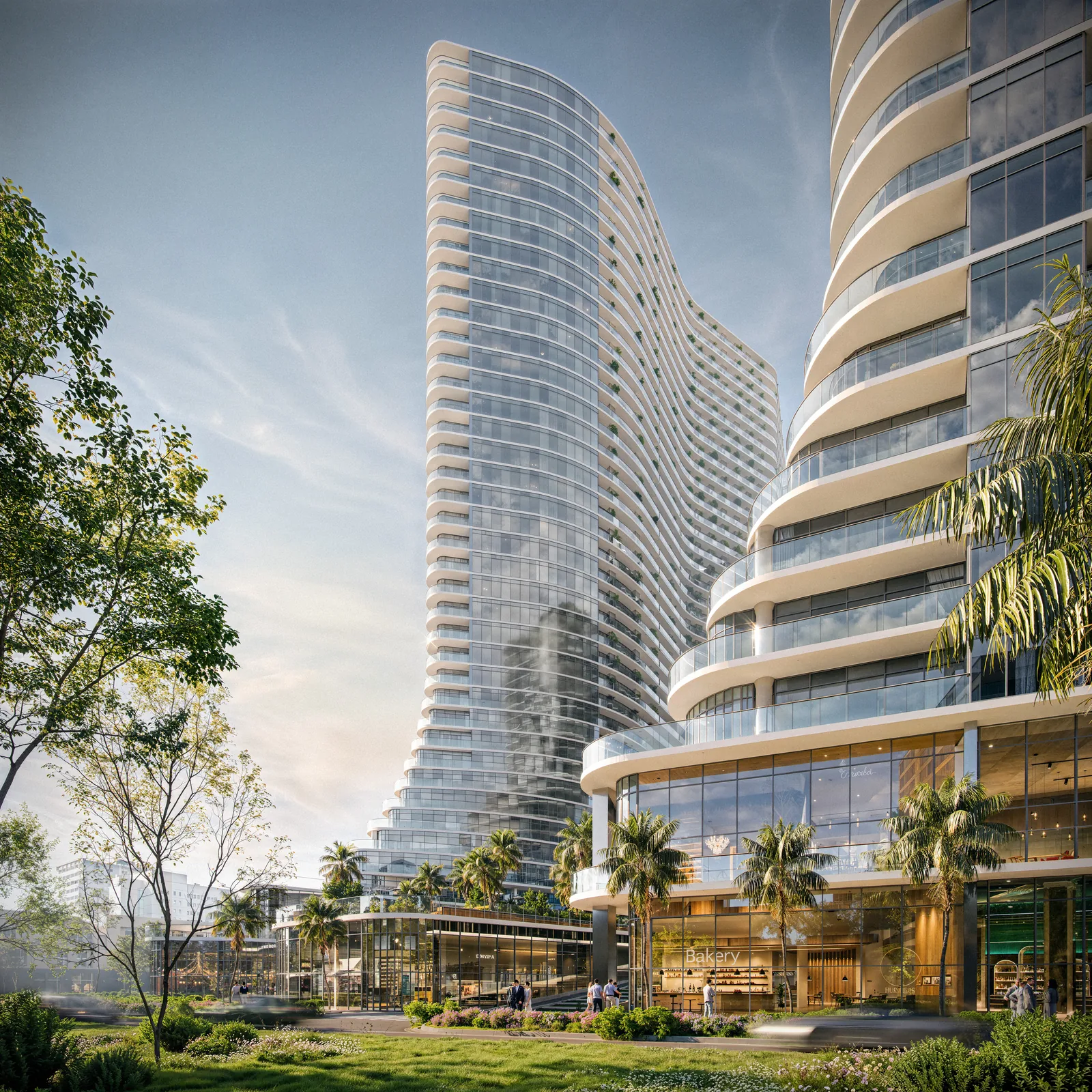
तट पर शॉर्ट-टर्म हॉलिडे रेंटल से चलने वाली परियोजनाओं के लिए यह मांग की पृष्ठभूमि है, जैसे कि बतूमी के दक्षिण में गोनिओ में क्लस्टरिंग ब्रांडेड सीफ्रंट रेज़िडेंस। आप देख सकते हैं कि यह मांग हमारे जॉर्जिया प्रॉपर्टी पोर्टफोलियो में विशिष्ट विकासों में कैसे बदलती है।
विदेशी प्रत्यक्ष निवेश और धन का निवेश कहां हो रहा है
पूंजी प्रवाह उस कहानी की पुष्टि करते हैं जो पर्यटन और जीडीपी के आंकड़े बताते हैं। OC Media द्वारा रिपोर्ट किए गए Geostat आंकड़ों के अनुसार, 2025 में विदेशी प्रत्यक्ष निवेश 1.68 बिलियन डॉलर तक पहुंच गया, जो साल-दर-साल 7.6% अधिक है। रियल एस्टेट उस पूंजी का एक मामूली प्राप्तकर्ता नहीं था: यह 185.7 मिलियन डॉलर के साथ FDI के लिए दूसरा सबसे बड़ा क्षेत्र था।
यह एक सार्थक संकेत है। जब प्रॉपर्टी विदेशी निवेश के शीर्ष गंतव्यों में शामिल होती है, तो यह बताता है कि अंतरराष्ट्रीय पूंजी जॉर्जिया के रियल एस्टेट को एक सट्टेबाजी के बजाय एक गंभीर एसेट क्लास के रूप में देख रही है। यह यह भी समझाता है कि ईगल हिल्स और नेक्स्ट ग्रुप सहित प्रमुख अंतरराष्ट्रीय डेवलपरों ने बतूमी और त्बिलिसी दोनों में बड़े पैमाने पर योजनाओं के लिए प्रतिबद्धता जताई है, तट पर गोनिओ यॉट्स एंड मरीना से लेकर राजधानी में त्बिलिसी वॉटरफ्रंट रिवरफ्रंट मेगाप्रोजेक्ट तक।
कीमत के रुझान और 2026 के लिए विश्लेषकों की क्या अपेक्षा है
कीमतें बढ़ रही हैं, और प्रमुख रिसर्च हाउस 2026 में इसमें उलटफेर की उम्मीद नहीं करते हैं, हालांकि उनके माप इस बात पर निर्भर करते हैं कि वे किस प्रॉपर्टी बास्केट का उपयोग करते हैं।
तट पर, Galt & Taggart रिपोर्ट करता है कि बतूमी प्राथमिक बाज़ार की औसत कीमत 2025 में $1,865/m² तक पहुंच गई, जो साल-दर-साल 9.4% अधिक है, और ओल्ड बतूमी $3,028/m² के साथ सबसे महंगा उप-बाज़ार है। TBC Capital का एक क्रॉस-चेक एक अलग बास्केट को मापता है: यह रिपोर्ट करता है कि बतूमी की कीमतों में 2025 में 17% की वृद्धि हुई और वे लगभग $1,395/m² हो गईं। दोनों के बीच का अंतर यह याद दिलाता है कि समान की तुलना समान से करें, न कि किसी एक आंकड़े को अंतिम मानें।
आगे देखें, तो Colliers रिपोर्ट करता है कि त्बिलिसी और बतूमी में प्रति वर्ग मीटर औसत कीमत लगभग $1,500/m² है, और विशेष रूप से बताता है कि 2026 में कोई कीमत गिरने की उम्मीद नहीं है। एक ऐसा बाज़ार जहां प्रमुख एजेंसी पूर्वानुमानकर्ता स्थिरता या मामूली वृद्धि की उम्मीद करते हैं, न कि सुधार की, एक आश्वस्त करने वाला संकेत है, लेकिन जैसा कि अगला खंड दिखाता है, यह आम सहमति तट पर एक महत्वपूर्ण आपूर्ति ओवरहैंग के खिलाफ बैठती है।
| स्रोत | मेट्रिक (2025) | औसत कीमत/m² |
|---|---|---|
| Galt & Taggart | बतूमी प्राथमिक बाज़ार, +9.4% y/y | $1,865/m² |
| TBC Capital | बतूमी, 2025 में +17% | ~$1,395/m² |
| Colliers | त्बिलिसी और बतूमी औसत | ~$1,500/m² |
आपूर्ति की कहानी: बतूमी का ओवरसप्लाई जोखिम
यहीं पर पूर्वानुमान अधिक सावधानीपूर्ण हो जाता है, और जहां निवेशकों को करीब से ध्यान देने की जरूरत है। TBC Capital के अनुसार, 2025-2029 के लिए बतूमी में लगभग 58,000 नई यूनिट्स की योजना बनाई गई है, और उनमें से लगभग 46,300, यानी लगभग 80%, शॉर्ट-टर्म रेंटल के लिए हैं।
यह इन्वेंटरी का एक बड़ा पाइपलाइन है जो एक ही हॉलिडे रेंटल मांग पूल को लक्षित करता है, और यह किराया प्रतिफल में कमी (yield-compression) का एक वास्तविक संकेत है। जब हजारों लगभग समान शॉर्ट-लेट अपार्टमेंट एक ऐसे शहर के बाज़ार में आते हैं जहां पर्यटन, हालांकि बढ़ रहा है, लेकिन मौसमी है, तो अपेक्षित परिणाम अधिभोग (occupancy) और रात्रि दरों पर, और इसलिए शुद्ध किराया प्रतिफल पर नीचे की ओर दबाव है। आज के किराया प्रतिफल के आधार पर बतूमी खरीद का मूल्यांकन करने वाले निवेशक को दशक के उत्तरार्ध में काफी अधिक प्रतिस्पर्धी किराया परिदृश्य के खिलाफ उन आंकड़ों का स्ट्रेस-टेस्ट करना चाहिए।
यह आपूर्ति गतिशीलता विभेदीकरण (differentiation) के बारे में सावधानी से सोचने का भी एक प्रमुख कारण है। समान यूनिट्स की बाढ़ में प्रतिस्पर्धा करने वाले मानक अपार्टमेंट सबसे अधिक दबाव का सामना करते हैं, जबकि ब्रांडेड, होटल-प्रबंधित और पेशेवर रूप से संचालित रेज़िडेंस, और राजधानी में मौसमी के बजाय साल भर की मांग वाली परियोजनाएं, अपने रिटर्न बनाए रखने के लिए बेहतर स्थिति में हैं। यह बतूमी और त्बिलिसी के बीच विविधता लाने और प्रमुख किराया प्रतिफल पर गुणवत्ता और ऑपरेटर की ताकत को प्राथमिकता देने का एक तर्क है। आप हमारे जॉर्जिया डेवलपर्स पेज पर जॉर्जिया की उत्कृष्ट योजनाओं के पीछे के डेवलपरों की समीक्षा कर सकते हैं।
राजनीतिक जोखिम: 2028 तक EU सदस्यता प्रक्रिया स्थगित
जॉर्जिया का यूरोपीय एकीकरण लंबे समय से उसके प्रॉपर्टी बाज़ार के सकारात्मक निवेश तर्क का हिस्सा रहा है, इस तर्क पर कि EU अभिसरण समय के साथ आय, संस्थानों और संपत्ति मूल्यों को बढ़ाएगा। अब यह विचार रुका हुआ है, और निवेशकों को इसे निकट अवधि के सकारात्मक रुझान के बजाय एक वास्तविक जोखिम के रूप में देखना चाहिए।
जॉर्जिया को 14 दिसंबर 2023 को EU उम्मीदवार देश का दर्जा मिला, लेकिन OC Media के अनुसार, देश ने 2028 के अंत तक अपनी सदस्यता वार्ता को निलंबित कर दिया है। 2026 में यूरोपीय आयोग का आकलन स्पष्ट था, जिसने जॉर्जिया को “केवल नाम का उम्मीदवार देश” बताया। एक निवेशक के लिए, व्यावहारिक निहितार्थ यह है कि EU-सदस्यता प्रीमियम जिस पर कुछ खरीदारों भरोसा कर रहे थे, फिलहाल नहीं आ रहा है। यह किराये और पर्यटन के मूलभूत तत्वों को कमजोर नहीं करता है, लेकिन यह एक संरचनात्मक सकारात्मक उत्प्रेरक को हटा देता है और राजनीतिक अनिश्चितता पैदा करता है जिसे समझदार खरीदारों को अपने जोखिम आकलन में शामिल करना चाहिए।
मुद्रा और राजकोषीय स्थिरता
यदि राजनीतिक तस्वीर सावधानीपूर्ण अध्याय है, तो मैक्रो-वित्तीय तस्वीर आश्वस्त करने वाली है। उभरते बाज़ार के मानकों से जॉर्जिया की मुद्रा और सार्वजनिक वित्त पर मूलभूत स्थिति मजबूत है। OC Media द्वारा रिपोर्ट किए गए आंकड़ों के अनुसार:
- अप्रैल 2026 के अंत में 6.4 बिलियन डॉलर के विदेशी मुद्रा भंडार, जो IMF के भंडार-पर्याप्तता बेंचमार्क का लगभग 102% है
- जीडीपी का 35% से कम सार्वजनिक ऋण, एक रूढ़िवादी स्तर जो सरकार को राजकोषीय स्थान देता है
- अप्रैल 2026 में लगभग 5.9% की मुद्रास्फीति, जो नेशनल बैंक ऑफ जॉर्जिया के 3% लक्ष्य की ओर अभिसरित हो रही है
पर्याप्त भंडार, कम ऋण और लक्ष्य की ओर मुद्रास्फीति में कमी बिल्कुल वही स्थितियां हैं जो एक स्थिर मुद्रा और अनुमानित निवेश वातावरण का समर्थन करती हैं, जो एक महत्वपूर्ण पृष्ठभूमि है जब आपकी किराये की आय और पूंजी स्थानीय बाज़ार में नाममात्र की हो या उसके माध्यम से विनिमय की जाती हो।
निष्कर्ष: 2026 के खरीदारों के लिए अवसर बनाम सावधानी
जॉर्जिया के रियल एस्टेट पर 2026 का ईमानदार फैसला यह है कि यह मजबूत मूलभूत तत्वों वाला बाज़ार है जिसे विशिष्ट, पहचाने जाने योग्य जोखिमों से संतुलित किया गया है। अवसर की ओर से, अर्थव्यवस्था 6.5% के IMF-पूर्वानुमान दर से बढ़ रही है, पर्यटन ने 7.8 मिलियन आगमन और 4.69 बिलियन डॉलर के राजस्व के साथ नए रिकॉर्ड बनाए और पश्चिमी स्रोतों की ओर विविधता लाई, FDI बढ़ रहा है जिसमें रियल एस्टेट दूसरा सबसे बड़ा क्षेत्र है, और सार्वजनिक वित्त स्थिर है। Colliers जैसे प्रमुख एजेंसी पूर्वानुमानकर्ता 2026 में कोई कीमत गिरने की उम्मीद नहीं करते हैं।
सावधानी की ओर से, बतूमी का सामना एक महत्वपूर्ण आपूर्ति पाइपलाइन से है जो शॉर्ट-टर्म रेंटल की ओर भारी झुका हुआ है, जो भविष्य के किराया प्रतिफल को खतरा पहुंचाता है, और EU-सदस्यता प्रक्रिया कम से कम 2028 के अंत तक जमी हुई है। निष्कर्ष यह नहीं है कि बाज़ार से बचा जाए, बल्कि चयनात्मक रूप से निवेश किया जाए: शुद्ध रूप से मौसमी तटीय शॉर्ट-लेट्स की तुलना में साल भर की मांग को प्राथमिकता दें, वस्तु इन्वेंटरी की तुलना में विभेदीकृत और पेशेवर रूप से प्रबंधित परियोजनाओं को प्राथमिकता दें, और रूढ़िवादी रूप से मूल्यांकन करें।
उन निवेशकों के लिए जो इस चयनात्मकता को शामिल करना चाहते हैं, Palmera जॉर्जिया की परियोजनाओं का एक केंद्रित सेट तैयार करता है जो बतूमी तट और त्बिलिसी दोनों को कवर करता है, ब्रांडेड सीफ्रंट रेज़िडेंस से लेकर राजधानी में रिवरफ्रंट मेगाप्रोजेक्ट्स तक। हमारे जॉर्जिया प्रोजेक्ट्स और प्रमुख डेवलपर्स का पता लगाएं, या 2026 के पूर्वानुमान को अपने लक्ष्यों पर मैप करने के लिए एक सलाहकार से बात करें। हमारी टीम से team@palmera.realestate या +971 54 215 4066 पर संपर्क करें।
क्या 2026 जॉर्जिया के रियल एस्टेट में निवेश करने का अच्छा समय है?
मूलभूत तत्व मजबूत हैं: IMF के अनुसार जॉर्जिया की अर्थव्यवस्था 2026 में 6.5% बढ़ने का पूर्वानुमान है, नेशनल बैंक ऑफ जॉर्जिया के अनुसार पर्यटन ने 2025 में 7.8 मिलियन आगमन और 4.69 बिलियन डॉलर के राजस्व के साथ रिकॉर्ड बनाया, और रियल एस्टेट 185.7 मिलियन डॉलर के साथ दूसरा सबसे बड़ा FDI क्षेत्र था। Colliers 2026 में कोई कीमत गिरने की उम्मीद नहीं करता है। मुख्य सावधानियां बतूमी की बड़ी आने वाली आपूर्ति और जमी हुई EU-सदस्यता प्रक्रिया हैं, इसलिए 2026 सामान्य खरीदारी के बजाय चयनात्मक, रूढ़िवादी रूप से मूल्यांकित निवेश का पक्ष लेता है।
2026 में जॉर्जिया की अर्थव्यवस्था कैसा प्रदर्शन कर रही है?
मजबूती से। OC Media द्वारा रिपोर्ट किए गए आंकड़ों के अनुसार, 2025 में जीडीपी में लगभग 7.5% की वृद्धि हुई, और IMF 2026 के लिए 6.5% वृद्धि का पूर्वानुमान लगाता है, जिसे पहले के 5.3% के पूर्वानुमान से संशोधित किया गया है। 2026 की शुरुआती गति और भी अधिक है, जनवरी और फरवरी 8.4% पर चल रहे हैं। अप्रैल 2026 में मुद्रास्फीति लगभग 5.9% थी, जो नेशनल बैंक ऑफ जॉर्जिया के 3% लक्ष्य की ओर अभिसरित हो रही है।
क्या बतूमी में अपार्टमेंट की ओवरसप्लाई है?
एक महत्वपूर्ण आपूर्ति जोखिम है। TBC Capital रिपोर्ट करता है कि 2025-2029 के लिए बतूमी में लगभग 58,000 नई यूनिट्स की योजना बनाई गई है, जिनमें से लगभग 46,300, यानी लगभग 80%, शॉर्ट-टर्म रेंटल के लिए हैं। समान हॉलिडे रेंटल इन्वेंटरी का यह एकाग्रता किराया प्रतिफल में कमी का एक वास्तविक संकेत है, इसलिए निवेशकों को अधिक प्रतिस्पर्धी भविष्य के किराया बाज़ार के खिलाफ बतूमी रिटर्न का स्ट्रेस-टेस्ट करना चाहिए और विभेदीकृत या पेशेवर रूप से प्रबंधित परियोजनाओं की ओर झुकना चाहिए।
EU-सदस्यता फ्रीज़ प्रॉपर्टी निवेशकों को कैसे प्रभावित करता है?
जॉर्जिया को 14 दिसंबर 2023 को EU उम्मीदवार देश का दर्जा मिला, लेकिन OC Media के अनुसार, 2028 के अंत तक सदस्यता वार्ता को निलंबित कर दिया है, और 2026 में यूरोपीय आयोग ने इसे “केवल नाम का उम्मीदवार देश” कहा। निवेशकों के लिए, यह एक संरचनात्मक सकारात्मक उत्प्रेरक को हटा देता है जिसे कुछ ने कीमत में शामिल किया था और राजनीतिक अनिश्चितता जोड़ता है। यह वर्तमान किराये और पर्यटन के मूलभूत तत्वों को नहीं बदलता है, लेकिन इसे आपके जोखिम आकलन में शामिल किया जाना चाहिए।
क्या जॉर्जियन लारी (GEL) एक स्थिर मुद्रा है?
उभरते बाज़ार के मानकों से जॉर्जिया की मैक्रो-वित्तीय स्थिति मजबूत है। OC Media द्वारा रिपोर्ट किए गए आंकड़ों के अनुसार, अप्रैल 2026 के अंत में विदेशी मुद्रा भंडार 6.4 बिलियन डॉलर था, जो IMF के भंडार-पर्याप्तता बेंचमार्क का लगभग 102% है, सार्वजनिक ऋण जीडीपी का 35% से कम है, और लगभग 5.9% की मुद्रास्फीति नेशनल बैंक ऑफ जॉर्जिया के 3% लक्ष्य की ओर अभिसरित हो रही है। पर्याप्त भंडार, कम ऋण और लक्ष्य की ओर मुद्रास्फीति में कमी मुद्रा स्थिरता का समर्थन करती है।