






















2026 में प्रॉपर्टी निवेश के ज़रिए जॉर्जिया की रेज़िडेंसी: $150,000 की सीमा को समझें


विदेशी निवेशकों के लिए, जॉर्जिया लंबे समय से इस क्षेत्र में रियल एस्टेट खरीद को रेज़िडेंस परमिट के साथ जोड़ने के लिए सबसे सुलभ स्थानों में से एक रहा है। लेकिन 2026 में यह सुलभता कम हो गई। Legal.ge की रिपोर्ट के अनुसार, जून 2025 में पारित एक संशोधन के तहत, 1 मार्च 2026 से रेज़िडेंस परमिट के लिए योग्य होने हेतु न्यूनतम संपत्ति मूल्य में 50% की वृद्धि हुई — जो USD 100,000 से बढ़कर USD 150,000 हो गया है। अब USD 150,000 की न्यूनतम सीमा लागू है; जबकि पिछली USD 100,000 की सीमा 28 फरवरी 2026 को समाप्त हो गई।
2026 में खरीदारों के लिए यह सबसे महत्वपूर्ण बदलाव था। यदि आप ऐसी खरीद पर विचार कर रहे हैं जिससे आपको रेज़िडेंसी भी मिल सके, तो अब लागू नियम स्पष्ट है: योग्य संपत्ति का मूल्य कम से कम USD 150,000 होना चाहिए, और यह पूर्ण, पूरी तरह से भुगतान की गई और पंजीकृत होनी चाहिए। कम USD 100,000 वाली सीमा अब उपलब्ध नहीं है — यह केवल उन संपत्तियों पर लागू होती थी जो 1 मार्च 2026 से पहले पूर्ण, भुगतान की गई और पंजीकृत थीं।
नीचे जॉर्जिया के वीज़ा-मुक्त शासन, प्रॉपर्टी रेज़िडेंस परमिट और इसमें हो रहे बदलावों, उच्च-स्तरीय निवेशक मार्ग, अपने परिवार को शामिल करने के तरीके, आवेदन प्रक्रिया, और एक वर्ष के परमिट से स्थायी रेज़िडेंसी और नागरिकता तक के लंबे सफर का सटीक और स्रोत-आधारित विवरण दिया गया है।
विषय-सूची
- जॉर्जिया का 1-वर्षीय वीज़ा-मुक्त शासन: कौन पात्र है
- प्रॉपर्टी रेज़िडेंस परमिट: $100,000 → $150,000 (1 मार्च 2026 से)
- पुरानी $100k सीमा कैसे काम करती थी (और यह बंद क्यों हुई)
- USD 300,000 निवेशक परमिट और PR का फास्ट-ट्रैक
- अपने जीवनसाथी और बच्चों को शामिल करना
- आवेदन प्रक्रिया, दस्तावेज़ और समय-सीमा
- रेज़िडेंस परमिट से स्थायी रेज़िडेंसी और नागरिकता तक
- Palmera कैसे मदद कर सकता है
जॉर्जिया का 1-वर्षीय वीज़ा-मुक्त शासन: कौन पात्र है
रेज़िडेंस परमिट पर चर्चा करने से पहले, यह समझना उपयोगी है कि इतने सारे निवेशक बिना परमिट के जॉर्जिया में प्रॉपर्टी क्यों रखते हैं। जॉर्जिया दुनिया के सबसे उदार वीज़ा-मुक्त शासनों में से एक संचालित करता है। Georgia Expats के अनुसार, लगभग 95 देशों के नागरिक — जिनमें सभी EU सदस्य राज्य, UK, USA, कनाडा, ऑस्ट्रेलिया, जापान और दक्षिण कोरिया शामिल हैं — 365 दिनों तक वीज़ा-मुक्त प्रवेश कर सकते हैं और रह सकते हैं।
यह पूरा एक वर्ष काफी महत्वपूर्ण है। कई खरीदारों के लिए, यह परमिट प्राप्त करने का कोई तत्काल दबाव समाप्त कर देता है: आप केवल वीज़ा-मुक्त प्रवेश के आधार पर एक प्रॉपर्टी खरीद सकते हैं, उसे फर्निश कर सकते हैं और किराये पर दे सकते हैं, तथा देश में लंबे समय तक बिता सकते हैं। एक रेज़िडेंस परमिट तब सार्थक होता है जब आप वीज़ा-मुक्त अवधि के बाद निरंतरता चाहते हैं, एक स्पष्ट कानूनी स्थिति चाहते हैं, या स्थायी रेज़िडेंसी और अंततः नागरिकता की लंबी यात्रा के लिए एक नींव चाहते हैं।
एक महत्वपूर्ण बात ध्यान में रखें: जैसा कि हम बाद में समझाएंगे, जॉर्जिया में केवल वीज़ा-मुक्त प्रवेश पर बिताए गए वर्ष स्थायी रेज़िडेंसी या प्राकृतिककरण (naturalization) के लिए निवास आवश्यकता में शामिल नहीं होते हैं। यदि दीर्घकालिक स्थिति आपका लक्ष्य है, तो प्रभावी रूप से घड़ी तब शुरू होती है जब आपके पास एक रेज़िडेंस परमिट होता है।
प्रॉपर्टी रेज़िडेंस परमिट: $100,000 → $150,000 (1 मार्च 2026 से)
विदेशी खरीदारों के लिए जॉर्जियन रेज़िडेंस परमिट प्राप्त करने का प्रॉपर्टी मार्ग सबसे लोकप्रिय रास्ता है। सिद्धांत सीधा है: न्यूनतम मूल्य या उससे अधिक की योग्य रियल एस्टेट के मालिक बनें, और आप उस स्वामित्व से जुड़े अल्पकालिक रेज़िडेंस परमिट के लिए पात्र हो जाते हैं।
2026 में यह सीमा बदल गई। Legal.ge के अनुसार, जून 2025 के एक संशोधन ने न्यूनतम प्रॉपर्टी मूल्य को USD 100,000 से बढ़ाकर USD 150,000 कर दिया, जो 1 मार्च 2026 से प्रभावी है — यह 50% की वृद्धि है जो अब लागू है।
परमिट की अवधि सीमित है लेकिन इसे नवीनीकृत किया जा सकता है। Relocation Georgia के अनुसार, प्रॉपर्टी रेज़िडेंस परमिट एक वर्ष के लिए जारी किया जाता है और प्रतिवर्ष नवीनीकृत किया जा सकता है, जब तक आप सीमा से अधिक मूल्य की प्रॉपर्टी का स्वामित्व बनाए रखते हैं। दूसरे शब्दों में, परमिट सशर्त है: यदि आप प्रॉपर्टी बेच देते हैं या उसका मूल्य योग्य सीमा से कम हो जाता है, तो नवीनीकरण का आधार समाप्त हो जाता है।
| विशेषता | प्रॉपर्टी रेज़िडेंस परमिट |
|---|---|
| न्यूनतम प्रॉपर्टी मूल्य (28 फरवरी 2026 तक) | USD 100,000 |
| न्यूनतम प्रॉपर्टी मूल्य (1 मार्च 2026 से) | USD 150,000 |
| परमिट की अवधि | 1 वर्ष, प्रतिवर्ष नवीनीकरण योग्य |
| नवीनीकरण की शर्त | सीमा से अधिक मूल्य का स्वामित्व बनाए रखना |
| परिवार का समावेश | एक ही प्रॉपर्टी पर जीवनसाथी और नाबालिग बच्चे |
एक व्यावहारिक बात जिस पर ध्यान देना आवश्यक है: स्रोत इस बात पर भिन्न हैं कि क्या USD 100,000 / 150,000 का आंकड़ा खरीद मूल्य को दर्शाता है या प्रमाणित मूल्यांकन मूल्य को। व्यवहार में, एक मान्यता प्राप्त जॉर्जियन मूल्यांकन की आवश्यकता प्रतीत होती है — और नीचे वर्णित उच्च निवेशक मार्ग के लिए यह स्पष्ट रूप से आवश्यक है। प्रतिबद्ध होने से पहले, जॉर्जिया की Public Service Development Agency (PSDA) से sda.gov.ge पर या किसी योग्य स्थानीय सलाहकार से सटीक दस्तावेज़ चेकलिस्ट और मूल्यांकन आधार की पुष्टि कर लें।
पुरानी $100k सीमा कैसे काम करती थी (और यह बंद क्यों हुई)
USD 100,000 की सीमा 1 मार्च 2026 को नए आवेदकों के लिए बंद हो गई, लेकिन इसे नियंत्रित करने वाली शर्तों को समझना महत्वपूर्ण है — न केवल संदर्भ के रूप में, बल्कि इसलिए भी क्योंकि वही तर्क अब USD 150,000 की न्यूनतम सीमा पर लागू होता है। Legal.ge के अनुसार, पुरानी सीमा के तहत पात्र होने के लिए प्रॉपर्टी का 1 मार्च 2026 से पहले पूर्ण, पूरी तरह से भुगतान की गई और पंजीकृत होना आवश्यक था।
विशेष रूप से ऑफ-प्लान खरीदारों के लिए इन तीनों शर्तों में संभावित जोखिम हैं:
- पूर्ण (Completed) — 1 मार्च 2026 की कट-ऑफ तिथि पर निर्माणाधीन यूनिट को पुरानी सीमा के तहत नहीं गिना जाता था, चाहे कितना भी भुगतान कर दिया गया हो। अब USD 150,000 की सीमा पर भी यही लागू होता है।
- पूरी तरह से भुगतान की गई (Fully paid) — किस्त योजना पर खरीदी गई और जिसमें बकाया राशि हो, ऐसी प्रॉपर्टी के पूरी तरह से चुकता होने तक आवश्यकता को पूरा करने की संभावना नहीं है।
- पंजीकृत (Registered) — स्वामित्व को National Agency of Public Registry (NAPR) में औपचारिक रूप से दर्ज किया जाना चाहिए। अच्छी बात यह है कि इसमें तेजी है: NAPR पंजीकरण तेज है (समय-सीमा के बारे में नीचे और जानकारी दी गई है)।
यह निष्कर्ष अब भी लागू होता है, लेकिन अब उच्च राशि पर। खरीद के आधार पर पात्र होने के लिए, आपको कम से कम USD 150,000 मूल्य की पूर्ण, पंजीकरण के लिए तैयार इन्वेंट्री पर विचार करना चाहिए — जो 1 मार्च 2026 से लागू न्यूनतम सीमा है — न कि ऑफ-प्लान प्रोजेक्ट्स पर जिनका मूल्य या पूर्णता की स्थिति आवेदन के समय अनिश्चित हो।
USD 300,000 निवेशक परमिट और PR का फास्ट-ट्रैक
मानक प्रॉपर्टी मार्ग से ऊपर, बड़े निवेशकों के लिए एक अधिक व्यापक विकल्प मौजूद है। Immigration Georgia के अनुसार, USD 300,000 या उससे अधिक का निवेश प्रारंभिक 5-वर्षीय रेज़िडेंस परमिट प्रदान करता है — जो प्रॉपर्टी मार्ग के एक वर्षीय परमिट के बजाय है।
इसकी संरचनात्मक लाभ यह है कि उस अवधि के अंत में क्या होता है। उसी स्रोत के अनुसार, यदि पांच वर्षों के बाद रियल एस्टेट बेची नहीं जाती है, तो धारक को स्थायी निवास (permanent residence) प्रदान किया जाता है। यह एक उच्च प्रारंभिक प्रतिबद्धता को दीर्घकालिक स्थिति के लिए एक स्पष्ट और तेज मार्ग में बदल देता है, बिना मानक प्रॉपर्टी परमिट के वार्षिक नवीनीकरण चक्र के।
| प्रॉपर्टी मार्ग | निवेशक मार्ग | |
|---|---|---|
| न्यूनतम निवेश | USD 150,000 (1 मार्च 2026 से) | USD 300,000+ |
| प्रारंभिक परमिट की अवधि | 1 वर्ष | 5 वर्ष |
| नवीनीकरण | वार्षिक, जब तक सीमा से ऊपर हो | 5 वर्षों के बाद प्रॉपर्टी बनाए रखने पर PR |
उन निवेशकों के लिए जो पहले से ही पोर्टफोलियो-स्तर की खरीद की योजना बना रहे हैं — उदाहरण के लिए, एक ब्रांडेड या होटल-प्रबंधित रेज़िडेंस — USD 300,000 का मार्ग स्थायित्व का अधिक कुशल रास्ता हो सकता है। प्रॉपर्टी मार्ग की तरह ही, किसी विशेष मूल्यांकन पर भरोसा करने से पहले PSDA के साथ मूल्यांकन और दस्तावेज़ीकरण आवश्यकताओं की पुष्टि कर लें।
अपने जीवनसाथी और बच्चों को शामिल करना
प्रॉपर्टी मार्ग का एक प्रमुख आकर्षण यह है कि यह केवल व्यक्तिगत खरीदार तक सीमित नहीं है। Relocation Georgia के अनुसार, जीवनसाथी और नाबालिग बच्चों को एक ही प्रॉपर्टी पर शामिल किया जा सकता है — इसका अर्थ है कि एक योग्य खरीद पूरे तत्काल परिवार के लिए रेज़िडेंस परमिट का समर्थन कर सकती है, न कि प्रति आवेदक एक अलग प्रॉपर्टी की आवश्यकता।
यह मार्ग की अर्थव्यवस्था में महत्वपूर्ण सुधार करता है। एक USD 150,000 की प्रॉपर्टी के आधार पर रेज़िडेंसी सुरक्षित करने वाला चार सदस्यों का परिवार, उन अधिकार क्षेत्रों से बहुत अलग है जो प्रति आश्रित निवेश आवश्यकता को बढ़ाते हैं। मार्च 2026 की वृद्धि के बाद भी जॉर्जिया का प्रॉपर्टी परमिट प्रतिस्पर्दी बना हुआ है, इसके कारणों में से यह एक है।
आवेदन प्रक्रिया, दस्तावेज़ और समय-सीमा
जॉर्जियन रेज़िडेंस परमिट प्राप्त करने का प्रशासनिक पक्ष तुलनात्मक रूप से हल्का है। Immigration Georgia के अनुसार, आवेदनों को Public Service Development Agency (PSDA / sda.gov.ge) के माध्यम से संसाधित किया जाता है, और परमिट प्रसंस्करण में लगभग 30 दिन लगते हैं।
आवेदन का आधार बनने वाला प्रॉपर्टी पंजीकरण और भी तेज है। उसी स्रोत के अनुसार, प्रॉपर्टी NAPR में 1–4 दिनों में पंजीकृत हो जाती है — यह एक असामान्य रूप से तेज टर्नअराउंड है जो पहले चर्चित "पूर्ण, भुगतान की गई और पंजीकृत" समय-सीमा तर्क का केंद्र बिंदु है।
एक सामान्य अनुक्रम इस प्रकार दिखता है:
- योग्य प्रॉपर्टी खरीदें और पंजीकृत करें — NAPR पंजीकरण में लगभग 1–4 दिन लगते हैं।
- जहां आवश्यक हो, वहां मूल्यांकन प्राप्त करें, यह साबित करने के लिए कि प्रॉपर्टी सीमा को पूरा करती है, एक मान्यता प्राप्त जॉर्जियन मूल्यांकनकर्ता का उपयोग करें।
- आवश्यक सहायक दस्तावेजों के साथ PSDA को रेज़िडेंस-परमिट आवेदन जमा करें।
- निर्णय की प्रतीक्षा करें — प्रसंस्करण के लिए लगभग 30 दिन।
चूंकि सटीक मूल्यांकन आधार और दस्तावेज़ चेकलिस्ट पर स्रोत भिन्न हैं, इसलिए उपरोक्त को एक निश्चित सूची के बजाय प्रक्रिया का एक रूप मानें, और फाइल करने से पहले sda.gov.ge पर PSDA के साथ वर्तमान आवश्यकताओं की सीधे पुष्टि करें।
रेज़िडेंस परमिट से स्थायी रेज़िडेंसी और नागरिकता तक
दीर्घकालिक सोच रखने वाले निवेशकों के लिए रेज़िडेंस परमिट प्रवेश बिंदु है, गंतव्य नहीं। Immigrant Invest के अनुसार, स्थायी रेज़िडेंसी आमतौर पर 6 वर्षों के कानूनी निवास के बाद उपलब्ध होती है, और प्राकृतिककरण द्वारा नागरिकता 10 वर्षों के बाद (जॉर्जियाई नागरिकों के जीवनसाथियों के लिए 5 वर्ष तक कम)।
महत्वपूर्ण चेतावनी — और यही कारण है कि वीज़ा-मुक्त शासन पासपोर्ट का शॉर्टकट नहीं है — यह है कि वीज़ा-मुक्त प्रवेश पर जॉर्जिया में बिताए गए वर्ष इन निवास आवश्यकताओं में शामिल नहीं होते हैं। स्थायी रेज़िडेंसी और नागरिकता के लिए महत्वपूर्ण घड़ी उस समय पर चलती है जब आपके पास एक वास्तविक रेज़िडेंस परमिट होता है।
| मील का पत्थर | आवश्यकता |
|---|---|
| स्थायी रेज़िडेंसी | ~6 वर्ष का कानूनी निवास (परमिट-आधारित) |
| नागरिकता (सामान्य) | 10 वर्ष का कानूनी निवास |
| नागरिकता (नागरिक का जीवनसाथी) | 5 वर्ष |
| उपरोक्त के लिए वीज़ा-मुक्त समय | शामिल नहीं होता है |
यह वह सटीक बिंदु है जहां USD 300,000 का निवेशक मार्ग यात्रा को छोटा कर सकता है: पांच वर्षों के स्वामित्व बनाए रखने के बाद स्थायी निवास प्रदान करके, यह मानक प्रॉपर्टी मार्ग द्वारा आवश्यक क्रमिक, नवीनीकरण-दर-नवीनीकरण संचय को काफी हद तक टाल देता है।
Palmera कैसे मदद कर सकता है
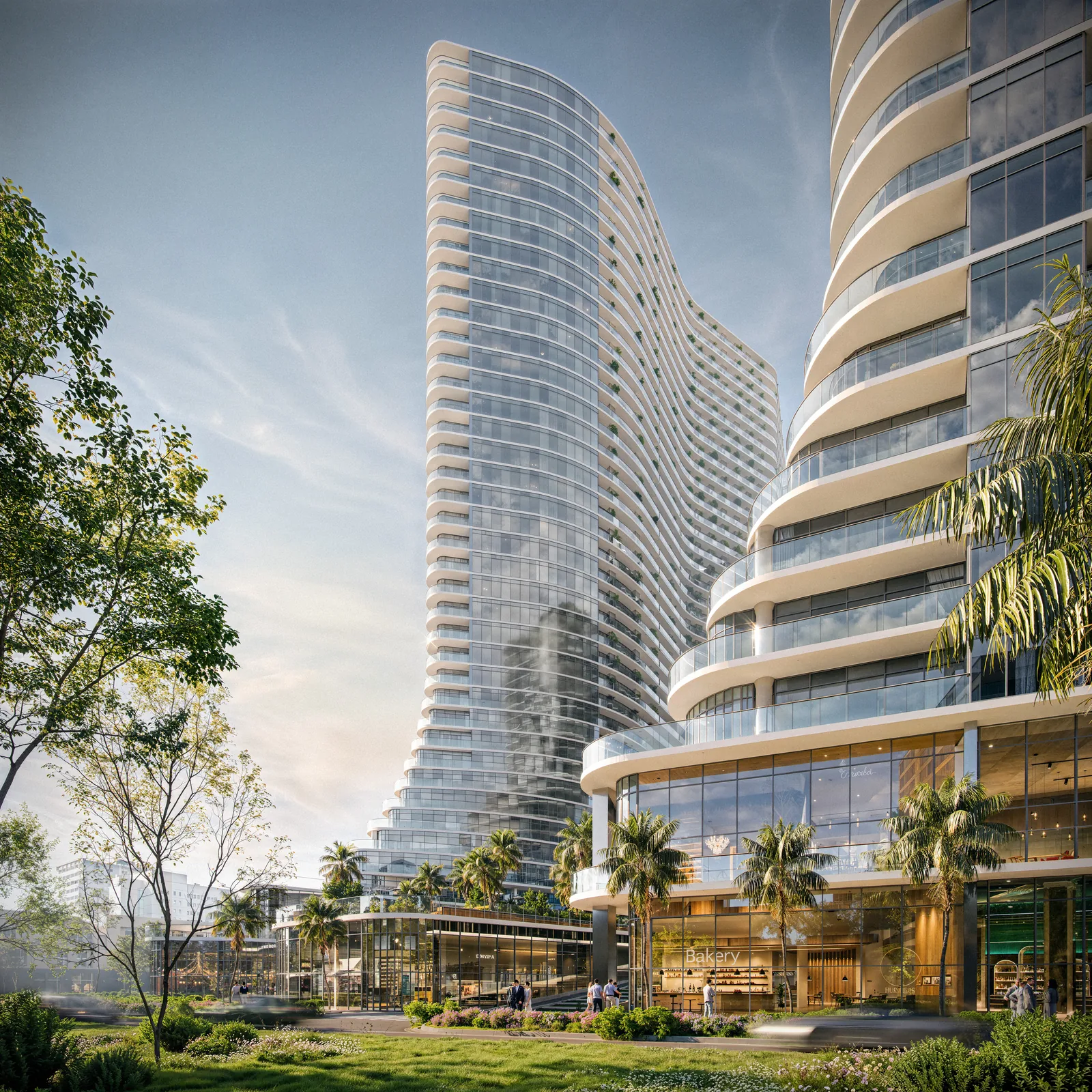
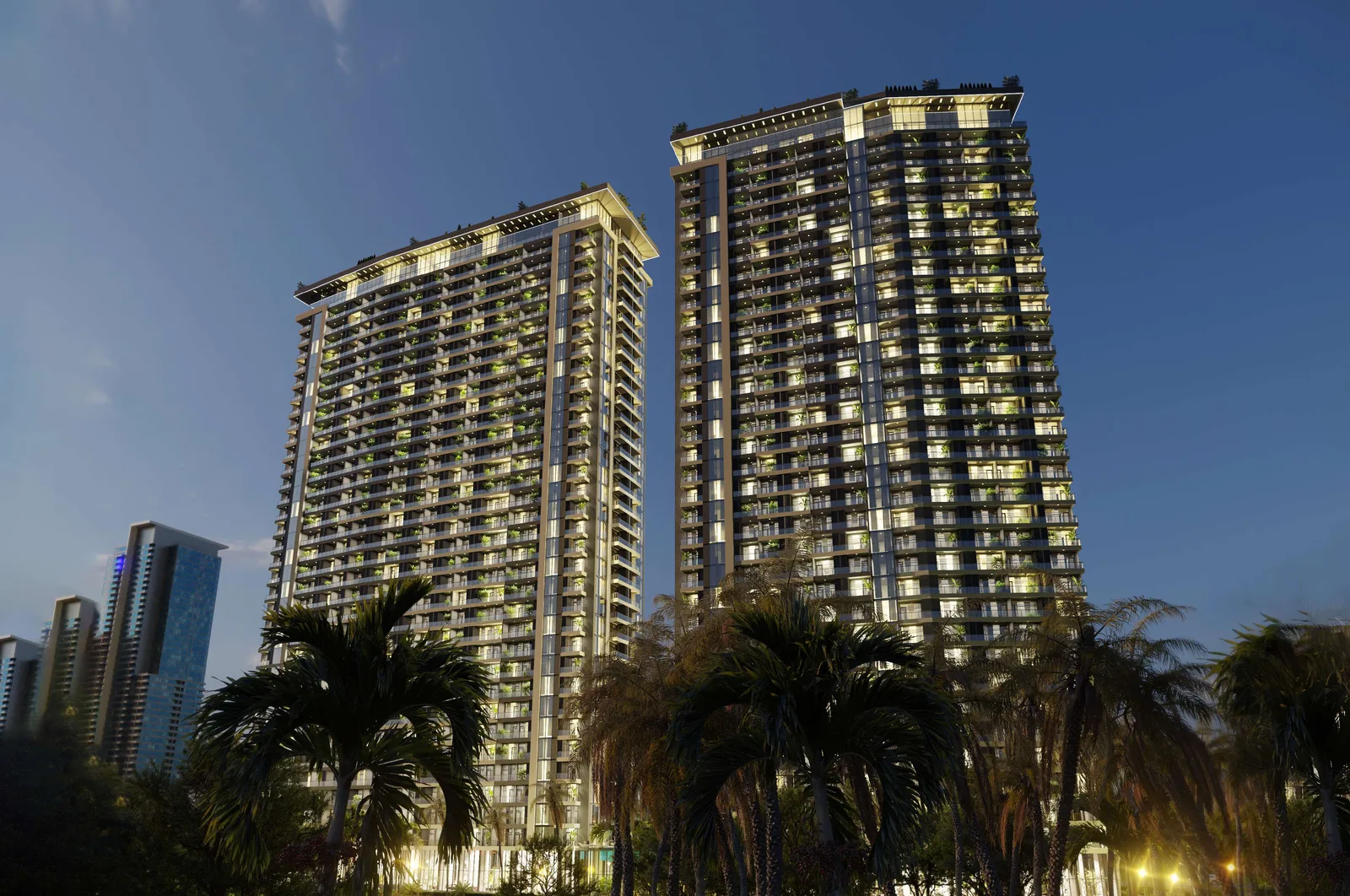
चाहे आप किसी पूर्ण, पंजीकरण के लिए तैयार यूनिट के साथ वर्तमान USD 150,000 की सीमा पर प्रवेश कर रहे हों, या बड़े निवेश के माध्यम से स्थायी रेज़िडेंसी की ओर बढ़ रहे हों, आपके द्वारा चुनी गई प्रॉपर्टी पूरी रणनीति की नींव है। Palmera जॉर्जिया के दो प्रमुख बाजारों — बतूमी के गोनियो बीचफ्रंट से लेकर त्बिलिसी के रिवरफ्रंट तक — में सावधानीपूर्वक चुने गए प्रोजेक्ट्स के साथ काम करता है, जिनमें Radisson Blu Residences in Gonio, Gonio Yachts & Marina, Tbilisi Waterfront और त्बिलिसी में MIRA VERDE – Trussardi Residences शामिल हैं।
पूरा Georgia portfolio ब्राउज़ करें, हमारे vetted developers का पता लगाएं, या किसी सलाहकार से बात करें जो सही प्रॉपर्टी और वर्तमान USD 150,000 की सीमा के अनुसार रेज़िडेंसी टाइमलाइन को मैप कर सकता है। टीम से team@palmera.realestate या +971 54 215 4066 पर संपर्क करें।
यह गाइड केवल सामान्य जानकारी के लिए है और कानूनी या इमिग्रेशन सलाह नहीं है। रेज़िडेंस-परमिट नियम और मूल्यांकन आवश्यकताएं बदल सकती हैं; कार्यवाही करने से पहले जॉर्जिया की Public Service Development Agency (sda.gov.ge) या किसी योग्य जॉर्जियन सलाहकार के साथ वर्तमान मानदंडों की पुष्टि करें।
2026 में जॉर्जिया में रेज़िडेंसी प्राप्त करने के लिए मुझे प्रॉपर्टी में कितना निवेश करने की आवश्यकता है?
प्रॉपर्टी रेज़िडेंस-परमिट की सीमा USD 150,000 है। यह 1 मार्च 2026 को USD 100,000 से बढ़ाई गई — Legal.ge के अनुसार, जून 2025 के संशोधन द्वारा लाई गई 50% की वृद्धि — और पिछली USD 100,000 की सीमा अब उपलब्ध नहीं है। USD 300,000 या उससे अधिक के एक अलग निवेशक मार्ग से लंबा, 5-वर्षीय परमिट मिलता है।
क्या मार्च 2026 में रेज़िडेंसी सीमा बढ़ाई गई थी?
हां। Legal.ge के अनुसार, रेज़िडेंस परमिट के लिए न्यूनतम प्रॉपर्टी मूल्य 1 मार्च 2026 से प्रभावी होकर USD 100,000 से बढ़कर USD 150,000 हो गया और अब USD 150,000 है। पुरानी USD 100,000 की राशि केवल उन प्रॉपर्टीज़ पर लागू होती थी जो उस तिथि से पहले पूर्ण, पूरी तरह से भुगतान की गई और पंजीकृत थीं, इसलिए यह अब उपलब्ध नहीं है।
क्या मेरा परिवार एक प्रॉपर्टी खरीदकर रेज़िडेंसी प्राप्त कर सकता है?
हां। Relocation Georgia के अनुसार, जीवनसाथी और नाबालिग बच्चों को एक ही योग्य प्रॉपर्टी पर शामिल किया जा सकता है। इसका मतलब है कि सीमा से ऊपर की एक खरीद, प्रति व्यक्ति अलग प्रॉपर्टी की आवश्यकता के बजाय, पूरे तत्काल परिवार के लिए रेज़िडेंस परमिट का समर्थन कर सकती है।
मैं जॉर्जिया में वीज़ा के बिना कब तक रह सकता हूं?
Georgia Expats के अनुसार, लगभग 95 देशों के नागरिक — जिनमें सभी EU राज्य, UK, USA, कनाडा, ऑस्ट्रेलिया, जापान और दक्षिण कोरिया शामिल हैं — 365 दिनों तक वीज़ा-मुक्त रह सकते हैं। ध्यान दें कि वीज़ा-मुक्त समय स्थायी रेज़िडेंसी या नागरिकता के लिए निवास आवश्यकता में शामिल नहीं होता है।
स्थायी रेज़िडेंसी या नागरिकता के लिए आवेदन करने तक कितने वर्ष लगते हैं?
Immigrant Invest के अनुसार, स्थायी रेज़िडेंसी आमतौर पर लगभग 6 वर्षों के कानूनी निवास के बाद उपलब्ध होती है, और प्राकृतिककरण द्वारा नागरिकता 10 वर्षों के बाद (जॉर्जियाई नागरिकों के जीवनसाथियों के लिए 5 वर्ष)। महत्वपूर्ण बात यह है कि वीज़ा-मुक्त प्रवेश पर जॉर्जिया में बिताए गए वर्ष इन कुल योग में शामिल नहीं होते हैं।