





















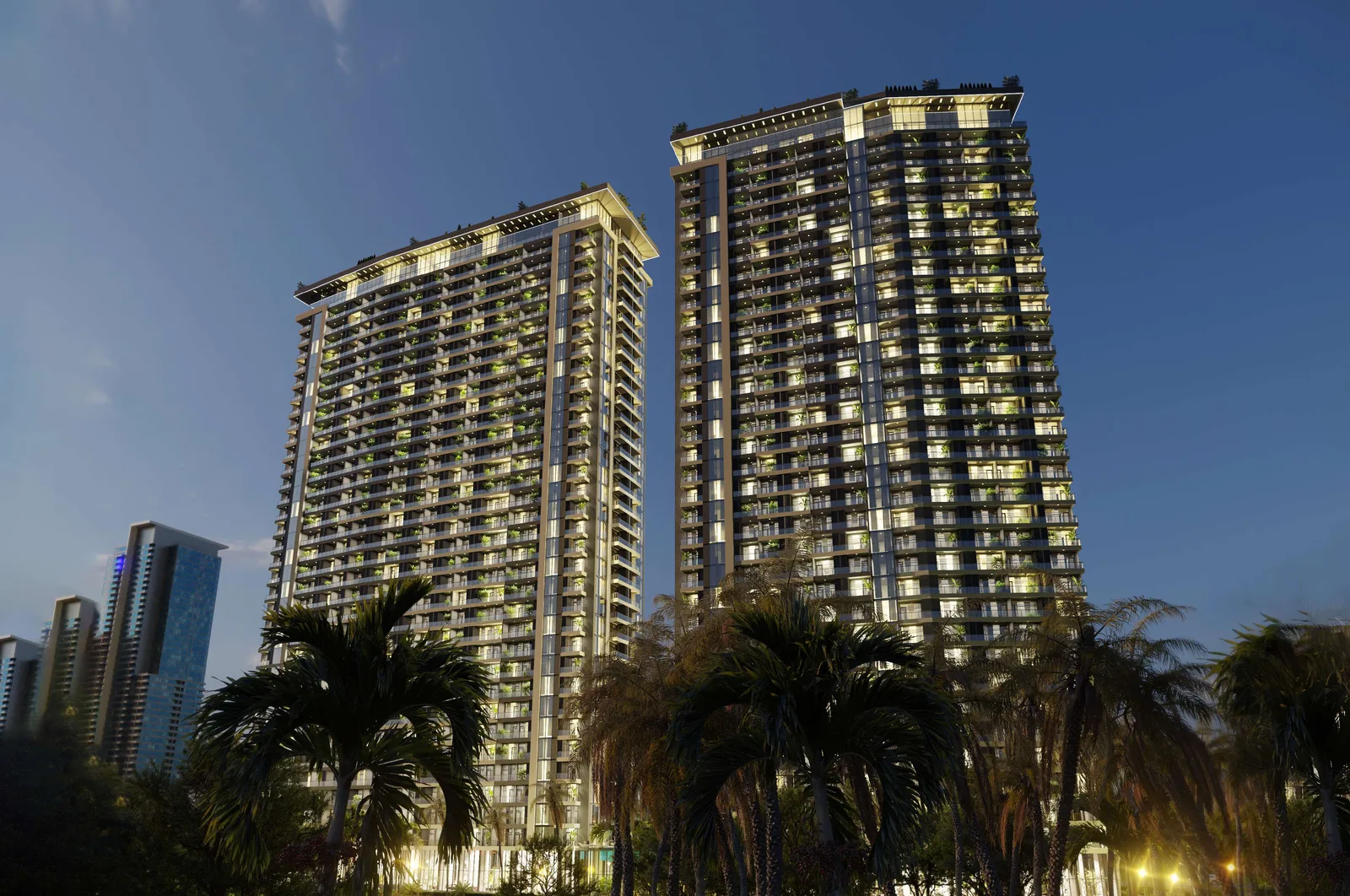


Gürcistan'da Finansman, Para Birimi ve Kira Gelirinin Yurt Dışına Aktarılması: 2026 Yatırımcı Rehberi

Çoğu yabancı alıcı için mülkün kendisi işin kolay kısmıdır. Asıl zor sorular parayla ilgilidir: Ödemeyi tam olarak nasıl yapacağım? Oturum izni olmayan biri konut kredisi çekebilir mi? Gürcistan larisi değerini koruyacak mı? Ve dairem kira getirmeye başladığında, bu parayı ülkeden çıkarıp memleketime gönderebilir miyim?
Bunlar tam da sorulması gereken sorular ve Gürcistan bunların çoğuna şaşırtıcı derecede iyi yanıtlar veriyor. Yerel bir kredi geçmişi, oturum izni veya Gürcistan banka hesabı olmayan bir yabancının bile proje aşamasındaki bir mülkü faizsiz taksit planıyla satın alabildiği, daha sonra da kârının her kuruşunu kimseden izin almadan yurt dışına çıkarabildiği nadir piyasalardan biri. Erişilebilir finansman ve serbest sermaye hareketi kombinasyonu, ülkenin neden bu kadar fazla yabancı sermaye çektiğinin en büyük nedenlerinden biri.
Bu rehber, 2026 yılında bir Gürcistan gayrimenkul yatırımının tüm finansal işleyişini; üç farklı ödeme yöntemini, banka ve geliştiricilerin fiilen neler talep ettiğini, para biriminin gerçekte ne kadar istikrarlı olduğunu ve gelirlerinizi serbestçe ülkenize aktarmanızı sağlayan yasal çerçeveyi adım adım açıklıyor. Aşağıdaki her rakam isimlendirilmiş bir kaynaktan alınmıştır ve verilerin gerçekten belirsiz olduğu durumlarda (örneğin güncel konut kredisi faiz oranları), tahminde bulunmak yerine bunu açıkça belirtiyoruz.
İçindekiler
- Mülkünüz için ödeme: Nakit, konut kredisi veya taksit
- Yabancılar Gürcistan'da konut kredisi çekebilir mi?
- Geliştirici ödeme planları: Proje aşamasında taksit standardı
- Gürcistan larisi: İstikrar, serbest dalgalanma ve kur riski
- Yabancı olarak Gürcistan'da banka hesabı açmak
- Kira gelirinin yurt dışına aktarılması: Sermaye kontrolü yok
- Para transferleri için pratik ipuçları
- Sıkça sorulan sorular
Mülkünüz için ödeme: Nakit, konut kredisi veya taksit
Yabancı bir yatırımcının Gürcistan'daki bir satın almayı finanse etmesinin üç gerçekçi yolu vardır ve bunlar çok farklı profillere hitap eder:
- Nakit. En basit yöntemdir ve tamamlanmış, ikinci el üniteler için hala en yaygın olanıdır. Gürcistan'da tapu harcı ve damga vergisi olmadığından, nakit alıcının kapanış maliyetleri asgari düzeydedir, dolayısıyla toplam satın alma bedeli esasen toplam çıkacak masrafın tamamıdır.
- Banka konut kredisi. Başlıca Gürcistan bankaları tarafından oturum izni olmayanlara sunulur, ancak yerel halka kıyasla daha yüksek peşinat şartları aranır. Bu yöntem en çok tamamlanmış mülkler ve kaldıraç kullanmak isteyen alıcılar için mantıklıdır.
- Geliştirici taksit planı. Proje aşamasındaki ve yeni inşa edilen mülklerin satın alımlarında açık ara en popüler seçenektir. Geliştirici, herhangi bir banka veya kredi sorgulaması olmaksızın, genellikle faizsiz olarak sizi doğrudan finanse eder.
Doğru seçim, ne kadar bütçeniz olduğundan ziyade ne satın aldığınıza bağlıdır. Proje aşamasındaki kuleler ve markalı rezidanslar genellikle geliştirici taksit planlarıyla satılırken; tamamlanmış daireler nakit veya konut kredisi ile alınır. Aşağıdaki bölümler her bir yolu detaylı olarak ele almaktadır.
Yabancılar Gürcistan'da konut kredisi çekebilir mi?
Evet — ve bu, yerel finansmanın oturum izni olmayanlara kapalı olduğunu varsayan birçok yatırımcıyı şaşırtır. PB Services'e göre, oturum izni olmayanlar Gürcistan'ın önde gelen üç kredi kuruluşundan konut kredisi alabilir: TBC Bank, Bank of Georgia ve Liberty Bank. Bunun karşılığı daha yüksek bir depozitodur: yabancı uyruklular için peşinatlar genellikle Gürcistan sakinleri için sunulan daha düşük depozitolara kıyasla %30–40 aralığındadır.
Örneğin TBC Bank, 30,000 GEL ile 600,000 GEL arasında (%20 peşinatla) veya 3,000 USD ile 500,000 USD arasında (%10 peşinatla) değişen bir konut kredisi ürünü sunmakta olup, yurt dışından düzenlenmek üzere tasarlanmış uzaktan “Göçmenler için Konut Kredisi” seçeneği de içermektedir. Yayınlanan depozito eşikleri bankanın açıkladığı başlıca rakamlardır; ancak pratikte, PB Services'in de belirttiği gibi, oturum izni olmayan birine sunulan fiili peşinat genellikle daha yüksek olan %30–40 bandına denk gelmektedir.
Önemli bir uyarı: bilerek belirli bir faiz oranı belirtmiyoruz. TBC, güncel konut kredisi faiz oranını çevrimiçi olarak yayınlamamakta ve Bank of Georgia'nın yabancılar için kesin faiz oranı ve kredi-değer oranı şartları kamuya açık olarak doğrulanmamaktadır. Faiz oranları ayrıca Gürcistan Ulusal Bankası'nın para politikasıyla birlikte değişmektedir. Başka yerlerde alıntılandığını gördüğünüz herhangi bir “%X konut kredisi” rakamına temkinli yaklaşın ve hesaplamalarınıza dahil etmeden önce güncel oranı doğrudan bankadan teyit edin.
| Finansman Yolu | Tipik Peşinat | En Uygun Profil | Temel Özellik |
|---|---|---|---|
| Nakit satın alma | %100 | Tamamlanmış / ikinci el üniteler | En az bürokrasi, asgari kapanış maliyetleri |
| Banka konut kredisi (oturum izni olmayan) | ~%30–40 (yabancı uyruklular) | Tamamlanmış mülkler, kaldıraçlı alıcılar | TBC / Bank of Georgia / Liberty; uzaktan seçenekler mevcut |
| Geliştirici taksit planı | ~%10–30 | Proje aşamasında / yeni inşa | Genellikle %0 faiz, kredi sorgulaması yok |
Geliştirici ödeme planları: Proje aşamasında taksit standardı
Yeni inşa ve proje aşamasındaki satın alımlarda, çoğu yabancı alıcı bankaları tamamen devre dışı bırakır. Gürcistan'daki baskın model geliştirici faizsiz taksit planıdır: Gumbati imzalı Strada gibi proje aşamasındaki ilanların gösterdiği üzere, bunlar genellikle 12 ila 36 ay vadeli %0 faizle, yaklaşık %10–30 peşinatla ve en önemlisi kredi sorgulaması olmaksızın sunulmaktadır.
İşte bu son nokta, Gürcistan'ı bu kadar erişilebilir kılan şeydir. Sınır ötesi banka finansmanı için uygunluk sağlamakta zorlanacak bir yabancı yatırımcı bile yepyeni bir daireye sahip olabilir, çünkü riski geliştirici üstlenmektedir ve inşaat sürecinde ünite satmak için motive olmaktadır. Peşinatınızı öder, ardından bakiyeyi inşaat programına göre zamanlandırılmış eşit taksitlere bölersiniz ve ödemeyi genellikle teslim civarında tamamlarsınız.
İşleyiş kısaca şöyledir:
- Yaklaşık %10–30 oranındaki peşinat üniteyi rezerve eder ve fiyatı sabitler.
- Faizsiz bakiye, genellikle 12–36 ay vadeli olarak aylık veya üç aylık taksitlerle ödenir.
- Kredi sorgulaması yapılmaz, bu nedenle yerel bir kredi geçmişi veya oturum izni gerekmez.
- Planlar inşaat zaman çizelgesine bağlıdır, bu nedenle daha uzun bir inşaat süresi, ödeme için daha uzun bir vade anlamına gelebilir.
Bu, Gonio'daki deniz manzaralı kulelerden Tiflis'in nehir kıyısı projelerine kadar Palmera'nın Gürcistan portföyündeki proje aşamasındaki projeler için standart yoldur. Her zaman spesifik planı okuyun: peşinat yüzdesi, taksit süresi ve teslim sırasında ne olacağı geliştiriciye ve projeye göre değişiklik gösterir.
Gürcistan larisi: İstikrar, serbest dalgalanma ve kur riski
Kur riski, herhangi bir gelişmekte olan piyasada ilk kez yatırım yapacak olan çoğu yatırımcının endişe duyduğu konudur — ve bu noktada Gürcistan'ın son dönem performansı güven vericidir. Lari (GEL) serbestçe dalgalanan bir para birimidir ve Gürcistan Ulusal Bankası'na (NBG) göre resmi USD/GEL kuru 20 Haziran 2026 tarihinde 2.6505 seviyesindeydi. Zayıflamak bir yana, lari aslında önceki 12 ayda yaklaşık %1 oranında değer kazanmıştı.
Buradan iki pratik sonuç çıkmaktadır:
- Serbest dalgalanma iki yönlü işler. Lari sabit bir kura bağlı olmadığından, değeri piyasa güçleriyle hareket eder; değer kazanabilir (kazandığı gibi) veya değer kaybedebilir. Lari cinsinden elde edilen ve tutulan her gelirde gerçek bir döviz pozisyonu riski taşırsınız.
- Sert para birimiyle fiyatlandırma yaygındır. Birçok proje aşamasındaki anlaşma, kira ve yatırımcı segmentindeki fiyatlar USD cinsinden teklif edilir veya ödenir ki bu da doğal olarak satın almanın kendisindeki lari riskini azaltır. Gürcistan ayrıca çoklu para birimli banka hesaplarına da izin verir (aşağıda detaylandırılmıştır), böylece her şeyi lariye çevirmek yerine USD veya EUR tutabilirsiniz.
Bunların hiçbiri kur riskini ortadan kaldırmaz — serbest dalgalanan hiçbir piyasa kaldırmaz — ancak geçen yıl dolar karşısında değer kazanan bir para birimi, yatırımcıların bazen korktuğu istikrarlı değer kaybı hikayesinden çok farklı bir tablodur. Dürüst çıkarım şudur: lari istikrarlıdır ve şu anda güçlüdür, ancak yine de serbest dalgalanma gerçeğini göz önünde bulundurarak planlama yapmalısınız.
Yabancı olarak Gürcistan'da banka hesabı açmak
Yerel bir banka hesabı, kira tahsil etmek, aidat ödemek ve para transferlerini yönetmek için pratik bir merkezdir. Gürcistan'ın çerçevesi bu konuda belirli ve değerli bir şekilde oldukça dostçadır: çoklu para birimli hesaplara izin verilmektedir. Bu durum, ülkenin sermaye hareketlerinin serbestliği konusundaki taahhüdünden kaynaklanmaktadır ve tek bir hesabın genellikle lari, ABD doları ve avro cinsinden bakiyeleri yan yana tutabileceği anlamına gelir.
Bir yatırımcı için bu esneklik önemlidir. Kiranızı kiracınızın veya kiralama programının ödediği herhangi bir para biriminde alabilir, tercih ederseniz sert bir para biriminde tutabilir ve her işlemde lariye çevrilmeye zorlanmak yerine kendi seçtiğiniz bir zamanda dönüşüm yapabilirsiniz. Hesap açılış gereklilikleri her banka tarafından belirlenir ve değişebilir, bu nedenle seyahat etmeden önce TBC, Bank of Georgia veya Liberty ile güncel belge listesini teyit edin — ve bazı bankaların oturum izni olmayanlar için uzaktan veya destekli hesap açılışını desteklediğini unutmayın.
Kira gelirinin yurt dışına aktarılması: Sermaye kontrolü yok
Bu, tartışmasız Gürcistan'ın uluslararası yatırımcı için en güçlü tek satış noktasıdır ve pazarlamadan ziyade sağlam bir yasal zemine dayanmaktadır.
ABD Dışişleri Bakanlığı'nın 2025 Yatırım Ortamı Raporu'na göre, Gürcistan'da sermaye kontrolü yoktur: yabancı yatırımcılar kira gelirlerini ve kârlarını piyasa döviz kuru üzerinden, sınırsız olarak döviz çevirip yurt dışına aktarabilir. Herhangi bir onay süreci, yıllık bir üst sınır veya kazançlarınızı ülkede tutma zorunluluğu yoktur.
Bu özgürlük, bir anda geri alınabilecek geçici bir politika değildir — uluslararası taahhütlere dayanmaktadır. UNCTAD'a göre Gürcistan, Aralık 1996'da IMF Ana Sözleşmesi VIII. Madde yükümlülüklerini kabul etmiş ve sermaye hareketlerinin serbestliğini resmen onaylamıştır. Yukarıda anlatılan çoklu para birimli banka hesaplarını destekleyen temel de aynı çerçevedir. Açıkça ifade etmek gerekirse: Gürcistan'daki dairenizin getirdiği kira, istediğiniz zaman ülkenize göndermek üzere size aittir.
Sınır ötesi bir ev sahibi için bu durum, gelişmekte olan piyasa gayrimenkullerinin en büyük gizli risklerinden birini — sermayenin içeride hapsolma korkusunu — ortadan kaldırır. Bu, anlamlı bir yapısal avantajdır ve Gürcistan bunu bölgesel emsallerinin çok azıyla paylaşmaktadır.
Para transferleri için pratik ipuçları
Tüm detayları bir araya getirdiğimizde, tipik bir yabancı yatırımcının Gürcistan'daki bir satın almanın finansal tarafını baştan sona nasıl yönettiği şu şekildedir:
- Finansman yolunu varlığa göre eşleştirin. Proje aşamasında mı alıyorsunuz? Bir geliştirici taksit planı bekleyin (%0 faiz, ~%10–30 peşinat, kredi sorgulaması yok). Tamamlanmış bir ünite mi alıyorsunuz? Nakit veya oturum izni olmayanlara yönelik konut kredisi (~%30–40 peşinat) gerçekçi seçeneklerdir.
- Çoklu para birimli bir hesap açın. Bu, kira tahsil etmenizi ve bakiyeleri USD veya EUR cinsinden tutmanızı sağlayarak lari riskini azaltır ve para transferini kolaylaştırır.
- Konut kredisi faiz oranını yazılı olarak teyit edin. Güncel oranlar güvenilir bir şekilde yayınlanmadığı için, ikinci elden duyduğunuz bir oran üzerinden asla satın alma modeli kurmayın — oranı doğrudan kredi kuruluşundan alın.
- Serbest para transferi kuralını bilinçli kullanın. Sermaye kontrolü olmadığından, kârlarınızı istediğiniz zaman piyasa kurundan yurt dışına çıkarabilirsiniz; düzenli olarak mı aktaracağınıza yoksa lari lehte olduğunda biriktirip mi dönüştüreceğinize karar verin.
- Serbest dalgalanmayı göz ardı etmeyin. Lari son zamanlarda değer kazandı, ancak serbest dalgalanmaktadır. Güçlü bir dolar yurt dışındaki yükümlülüklerinize uyuyorsa, gelirlerinizi sert para biriminde tutun.
Gürcistan'ın finansal işleyişi, genel olarak bir engel değil, bir varlıktır: girişte erişilebilir geliştirici finansmanı, değerini koruyan bir para birimi ve kârlarınızı çıkarmak için tam özgürlük. Belirli bir projeye karşı finansman ve nakit akışı rakamlarını modellemek isterseniz, Palmera'nın Gürcistan mülklerini — Gonio'daki Gonio Yachts & Marina ve Tbilisi Waterfront projelerindeki Eagle Hills gelişmeleri, Tiflis'teki MIRA VERDE – Trussardi Residences ve Gonio'daki Radisson Blu Residences dahil — keşfedin veya Gürcistan geliştiricilerimize göz atın. Durumunuza özel finansman ve para transferi konularını görüşmek için team@palmera.realestate adresinden veya +971 54 215 4066 numarasından bir Palmera danışmanına ulaşabilirsiniz.
Sıkça sorulan sorular
Yabancılar Gürcistan'da mülk satın almak için konut kredisi çekebilir mi?
Evet. PB Services'e göre, oturum izni olmayanlar Gürcistan'ın üç ana kredi kuruluşundan konut kredisi alabilir — TBC Bank, Bank of Georgia ve Liberty Bank. TBC, yurt dışından düzenlenmek üzere uzaktan “Göçmenler için Konut Kredisi” seçeneği bile sunmaktadır. Yabancılar için temel fark, yerel halka kıyasla daha yüksek bir depozito şartıdır.
Bankalar oturum izni olmayanlardan ne kadar peşinat talep eder?
PB Services'e göre, yabancı uyruklular için peşinatlar genellikle %30–40 aralığındadır. TBC'nin yayınladığı ürün, lari kredilerinde %20 peşinattan ve dolar kredilerinde %10 peşinattan başlayan giriş eşiklerini göstermektedir, ancak oturum izni olmayan birine sunulan fiili depozito genellikle daha yüksek olan %30–40 bandına denk gelmektedir. Rakamı her zaman doğrudan bankayla teyit edin.
Geliştirici faizsiz ödeme planları nasıl işler?
Bunlar, yabancıların Gürcistan'da proje aşamasında mülk satın almasının en yaygın yoludur. Gumbati imzalı Strada gibi proje aşamasındaki ilanların gösterdiği üzere, bu planlar genellikle 12 ila 36 ay vadeli %0 faizle, yaklaşık %10–30 peşinatla ve kredi sorgulaması olmaksızın sunulmaktadır. Geliştirici, inşaat programına göre zamanlandırılmış taksitlerle sizi doğrudan finanse eder.
Kira gelirimi Gürcistan'dan serbestçe gönderebilir miyim?
Evet, sınırsız olarak. ABD Dışişleri Bakanlığı'nın 2025 Yatırım Ortamı Raporu, Gürcistan'da sermaye kontrolü olmadığını doğrulamakta olup, yabancı yatırımcılar kira gelirlerini ve kârlarını piyasa döviz kuru üzerinden döviz çevirip yurt dışına aktarabilir. Bu özgürlük, Gürcistan'ın Aralık 1996'dan bu yana IMF Ana Sözleşmesi VIII. Madde yükümlülüklerini kabul etmesine dayanmaktadır.
Gürcistan larisi dolar karşısında ne kadar istikrarlı?
Lari, serbestçe dalgalanan bir para birimidir. Gürcistan Ulusal Bankası'na göre, resmi USD/GEL kuru 20 Haziran 2026 tarihinde 2.6505 seviyesindeydi ve lari önceki 12 ayda yaklaşık %1 oranında değer kazanmıştı. Şu anda güçlüdür, ancak serbest dalgalanma nedeniyle gerçek bir döviz pozisyonu riski taşır — gelirleri çoklu para birimli bir hesap aracılığıyla USD veya EUR cinsinden tutmak, bunu yönetmenin yaygın bir yoludur.